
Projects wingrou


Chhatrapati Shivaji international Airport
Mumbai, India
City Center Al Zahia
Sharjah, United Arab Emirates
DUQM Port
Duqm, Oman
Grand Cosmopolitan Hotel
Dubai, United Arab Emirates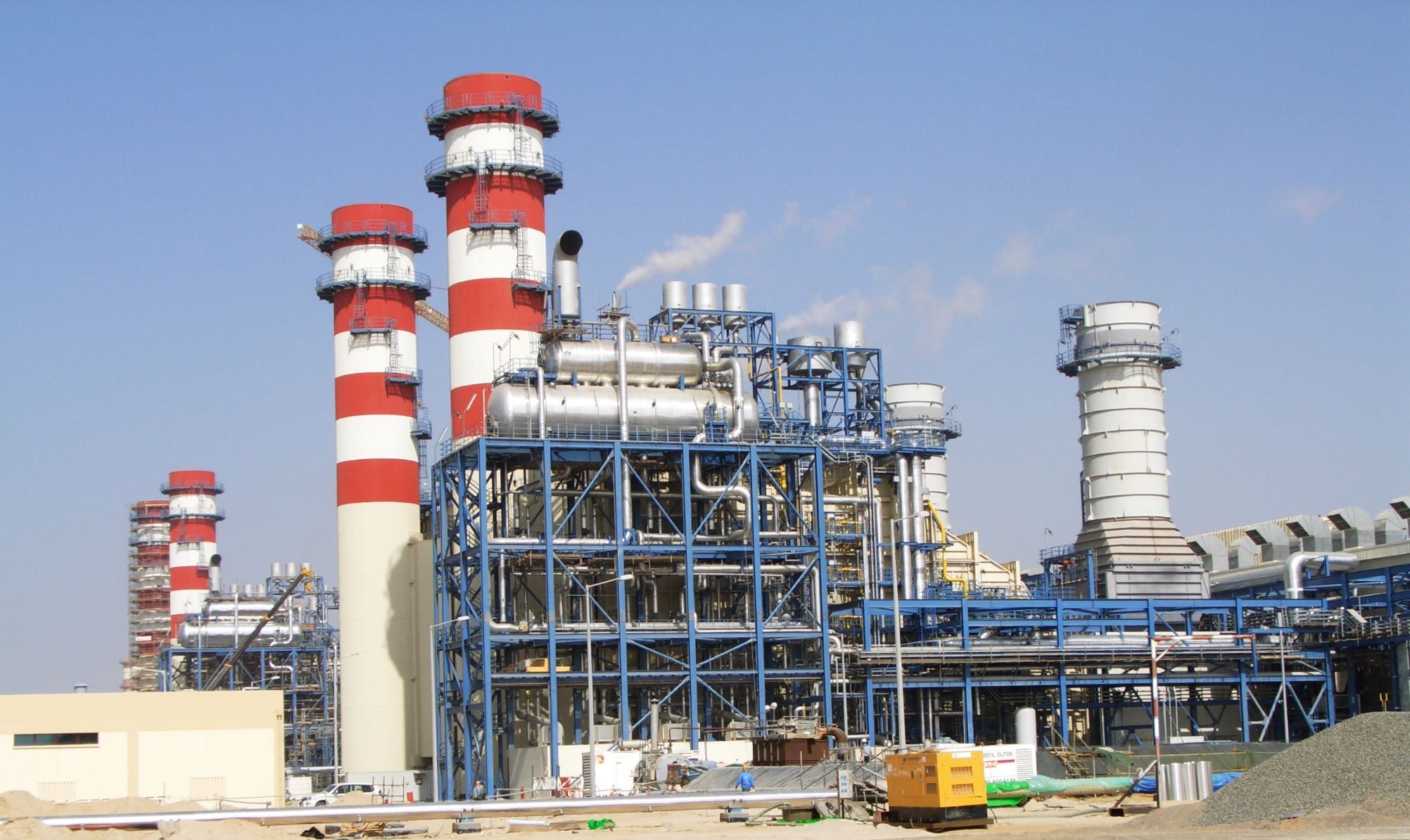
IBRI Power Plant
Ad-Dhahirah, Oman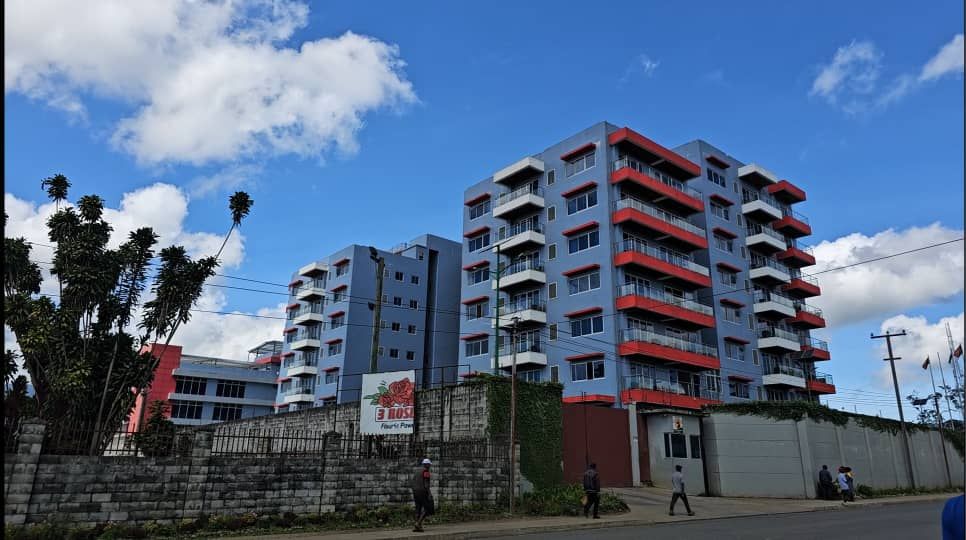
Kapal Haus Project
Mount Hagen, Papa New Guinea
Nesto Warehouse
Dubai, United Arab Emirates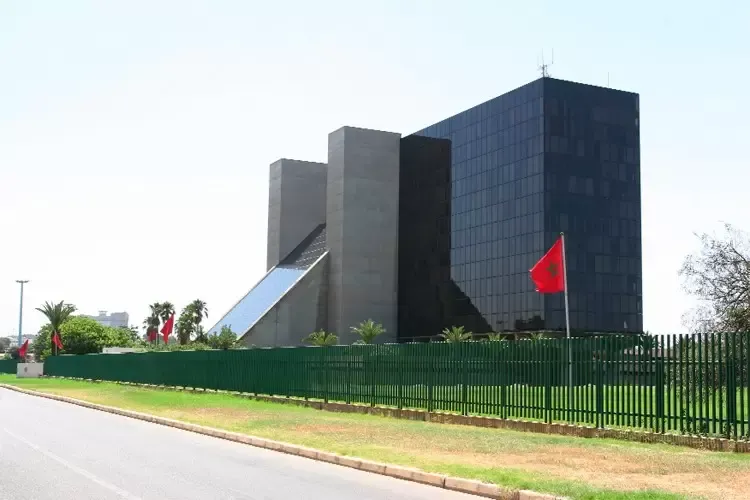
OCP KHOURIBGA MOROCCO
Casablanca, Morocco
Sadiyaat Island
Abudhabi, United Arab Emirates
Soho Garden / Sama Tower
Dubai, United Arab Emirates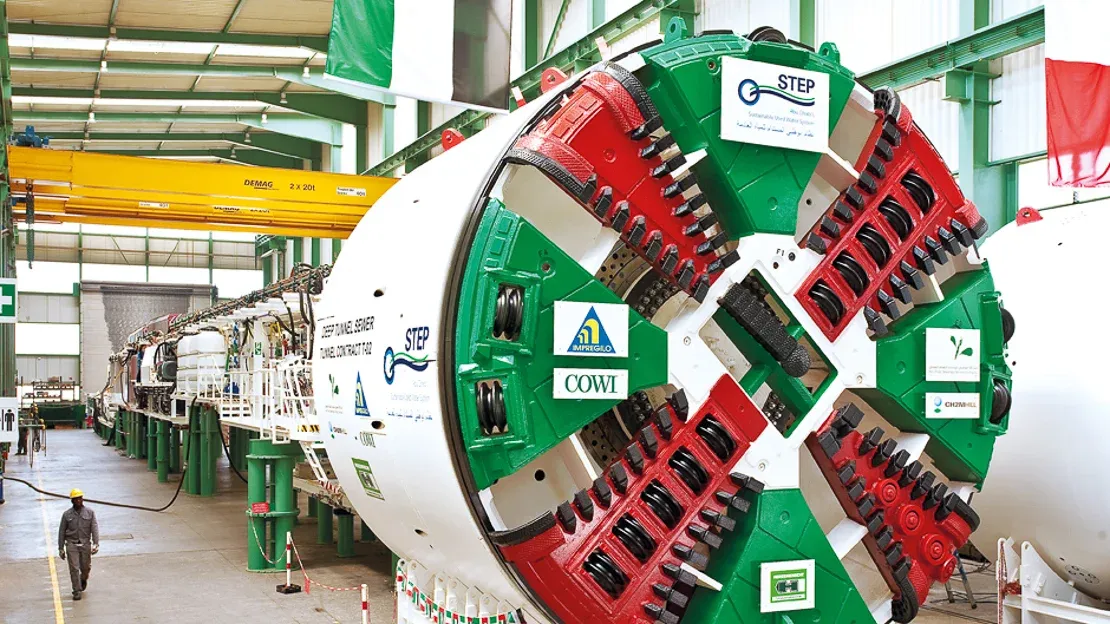
STEP (STRATEGIC TUNNEL ENHANCEMENT PROJECT)
Abudhabi, United Arab EmiratesFire Hydrant Grooved Fittings for Commercial & Industrial Use
For over two decades, FPPI, Inc. has been a leading manufacturer of grooved fittings for fire protection systems, serving projects in more than 45 countries worldwide. With a strong commitment to quality and safety, their products are UL/ULc Listed and FM Approved, meeting the highest international fire protection standards.
As a trusted industry partner, Wingrou brings these globally certified grooved fitting solutions to fire protection projects, ensuring dependable performance in critical applications. The importance of reliable grooved fittings in fire hydrant systems cannot be overstated, especially in commercial and industrial environments where efficient fire protection is essential.
Key Takeaways
- Reliable grooved fittings are critical for effective fire protection in commercial and industrial settings.
- FPPI, Inc. products distributed by Wingrou are UL/ULc Listed and FM Approved, ensuring consistent quality and safety.
- Over 20 years of expertise in manufacturing grooved fittings for fire protection systems.
- Serving projects in 45+ countries, reflecting strong global acceptance and trust.
- Grooved fittings for fire hydrant systems are engineered for optimal performance, durability, and safety.
The Evolution of Fire Protection Systems
Fire protection systems have evolved significantly over the centuries, adapting to urban growth, industrial expansion, and technological innovation. With extensive industry experience, Wingrou has witnessed firsthand how modern fire protection solutions have transformed safety standards across commercial and industrial sectors.
Historical Development of Fire Hydrant Systems
Fire hydrant systems originated in the early 19th century, initially relying on basic infrastructure and manual operation. As cities expanded and fire risks increased, the demand for more reliable and efficient fire suppression systems grew.
By the early 20th century, advancements in materials, design, and standardization improved the durability and effectiveness of fire hydrant systems. These developments laid the foundation for today’s highly regulated and performance-driven fire protection networks.
Modern Advancements in Fire Protection Technology
Recent decades have seen rapid progress in fire protection technology, driven by innovations in materials engineering and system design. Modern fire hydrant systems now use advanced materials that offer superior corrosion resistance, strength, and longevity.
In addition, improved monitoring and maintenance practices have enhanced system reliability and response times. Wingrou supports these modern fire protection requirements by supplying grooved fitting solutions that align with current global standards and best practices.
The Emergence of Grooved Fitting Solutions
A major advancement in contemporary fire protection systems is the widespread adoption of grooved fitting solutions. These fittings offer faster installation, reduced labor requirements, flexibility in system design, and improved seismic performance.
Grooved fittings have become the preferred choice for many fire hydrant and fire protection applications due to their reliability and ease of maintenance. With its strong focus on quality and compliance, Wingrou continues to support fire protection projects by delivering proven grooved fitting solutions that enhance system efficiency and long-term safety.
Comparison of Fire Hydrant System Components
| Component | Traditional Systems | Grooved Fitting Systems |
| Installation Method | Welding or threading | Grooved coupling |
| Flexibility | Limited | High |
| Seismic Resistance | Variable | High |
| Maintenance | Difficult | Easy |
What Are Fire Hydrant Grooved Fittings?
In the realm of fire protection, grooved fittings play a vital role in ensuring the integrity and functionality of fire hydrant systems. These fittings are designed to provide a secure and leak-proof connection between pipes, which is critical for the effective operation of fire hydrant systems.
Definition and Core Components
Grooved fittings are defined by their grooved ends, which are designed to mate with corresponding grooved ends on pipes or other fittings. The core components of grooved fittings include the housing, gasket, and bolts. The housing is typically made from durable materials such as ductile iron, and the gasket is designed to provide a tight seal under various pressure conditions.
Key components of grooved fittings:
- Housing: Made from durable materials like ductile iron.
- Gasket: Provides a tight seal under various pressure conditions.
- Bolts: Used to secure the housing and gasket in place.
How Grooved Fittings Work in Fire Protection
Grooved fittings work by providing a secure and flexible connection between pipes in a fire hydrant system. When the bolts are tightened, the housing clamps down on the gasket, creating a tight seal around the grooved end of the pipe. This connection is designed to be flexible, allowing for some movement and vibration in the piping system.
"Grooved fittings have become the preferred choice in fire protection systems due to their reliability, ease of installation, and flexibility."
- Fire Protection Expert
Types of Grooved Fittings for Fire Hydrant Systems
There are several types of grooved fittings used in fire hydrant systems, each designed for specific applications and requirements.
Rigid Couplings
Rigid couplings are used to provide a solid, non-flexible connection between two pipes. They are ideal for applications where minimal movement is expected.
Flexible Couplings
Flexible couplings, on the other hand, allow for some movement and flexibility between the connected pipes. They are suitable for applications where vibration or movement is anticipated.
Specialized Components
In addition to rigid and flexible couplings, there are specialized grooved fittings designed for specific purposes, such as reducers, elbows, and tees. These components are crucial for creating complex piping configurations.
By understanding the different types of grooved fittings and their applications, professionals in the fire protection industry can design and install more effective and reliable fire hydrant systems.
Benefits of Grooved Fittings in Fire Protection Networks
Grooved fittings have revolutionized fire protection networks by offering numerous benefits that enhance system performance and reliability. These fittings are designed to simplify the installation process, improve system maintenance, and provide a cost-effective solution for commercial and industrial applications.
Installation Speed and Efficiency
One of the primary advantages of grooved fittings is their ability to speed up the installation process. Unlike traditional welding or threading methods, grooved fittings can be quickly connected using a simple coupling mechanism. This not only reduces labor costs but also minimizes the time required for system installation, allowing for faster project completion.
No-Welding Advantages
The no-welding feature of grooved fittings offers several benefits, including reduced risk of fire hazards during installation, less distortion of the piping system, and the elimination of welding fumes and sparks. This makes grooved fittings an attractive option for projects where safety and minimizing disruption are paramount.
Maintenance Accessibility and System Reliability
Grooved fittings enhance maintenance accessibility by allowing for easy disconnection and reconnection of pipes. This facilitates routine inspections, repairs, and upgrades without significant system downtime. As a result, grooved fittings contribute to improved system reliability and reduced maintenance costs over the system's lifecycle.
Seismic Performance and Flexibility
Grooved fittings are designed to provide flexibility and absorb seismic forces, reducing the risk of pipe damage during earthquakes. The grooved coupling system allows for some degree of movement, helping to maintain system integrity even under significant seismic activity. This feature is particularly valuable in regions prone to earthquakes.
Cost-Effectiveness Over System Lifecycle
The cost-effectiveness of grooved fittings is evident when considering the total lifecycle costs of a fire protection system. While the initial cost of grooved fittings may be comparable to or slightly higher than traditional fittings, the savings in installation time, reduced maintenance needs, and extended system lifespan make them a more economical choice in the long run.
Technical Specifications and Compliance Standards
Understanding the technical specifications and compliance standards of fire hydrant grooved fittings is crucial for ensuring the reliability and safety of fire protection systems. These fittings are designed to meet the rigorous demands of commercial and industrial fire protection networks.
UL/FM Approvals and International Certifications
Our grooved fittings, such as the GrooveFit FDC Straight, have achieved UL/ULc Listing and FM Approval, demonstrating our commitment to meeting the highest standards of quality and performance. These certifications are a testament to our products' ability to withstand the pressures and conditions of fire protection systems.
Key Certifications and Approvals:
- UL/ULc Listing for grooved fittings
- FM Approval for fire protection equipment
- Compliance with international standards for fire safety
Pressure Ratings and Performance Parameters
The pressure ratings of our grooved fittings are designed to exceed the requirements of most fire protection systems. We ensure that our products can handle the necessary pressures to maintain system integrity.
Material Specifications and Durability Factors
The durability of our grooved fittings is attributed to the high-quality materials used in their construction. We utilize materials that resist corrosion and withstand the environmental conditions typical of fire protection system installations.
Material Specifications:
- Ductile Iron for strength and durability
- Corrosion-resistant coatings for longevity
Compliance with Regional and Global Fire Safety Codes
Our grooved fittings are designed to comply with regional and global fire safety codes, ensuring that they can be used in a variety of jurisdictions. This compliance is critical for the global deployment of our products in diverse fire protection systems.
Regional Compliance:
- NFPA standards for the United States
- EN standards for Europe
- Local codes and regulations for other regions
Comparing Fire Hydrant Grooved Fitting Systems with Alternatives
Grooved fittings are gaining traction in the fire protection industry, but a comparison with traditional methods like welded, flanged, and threaded connections is necessary to understand their relative advantages.
Grooved vs. Welded Connections
Welded connections have been a standard in fire protection systems for decades. However, they require specialized labor and equipment, increasing installation time and cost. In contrast, grooved fittings offer a quicker and more straightforward installation process without the need for welding.
A case study from a recent high-rise building project in Dubai highlighted the efficiency of grooved fittings. The project team was able to install the fire protection system 30% faster using grooved fittings compared to traditional welded connections.
| Criteria | Grooved Fittings | Welded Connections |
| Installation Time | Faster | Slower |
| Labor Requirements | Less Specialized | Highly Specialized |
| Cost | Generally Lower | Higher |
Grooved vs. Flanged Systems
Flanged systems are known for their reliability and are commonly used in high-pressure applications. However, they can be bulky and require more space, making them less ideal for complex piping networks.
"Grooved fittings provide the flexibility and compactness needed for modern fire protection systems, especially in constrained environments." -
John Smith, Fire Protection Engineer
Grooved fittings, on the other hand, offer a more compact solution that can be easily adapted to changing system requirements.
Grooved vs. Threaded Fittings
Threaded fittings are another traditional method used in fire protection systems. While they are easy to install, they can be prone to leaks and require precise threading to ensure a secure connection.
In comparison, grooved fittings provide a more secure and leak-resistant connection without the need for precise threading, making them a preferable choice for critical applications.
Performance Comparison Under Emergency Conditions
Under emergency conditions, the performance of fire hydrant fitting systems is critical. Grooved fittings have been shown to maintain their integrity and performance even in seismic events and other extreme conditions.
A study conducted by a leading fire protection research institution found that grooved fitting systems outperformed traditional methods in simulated emergency scenarios, highlighting their reliability and robustness.
Commercial Applications of Fire Hydrant Grooved Fittings
Grooved fittings are revolutionizing fire safety in commercial infrastructure, from high-rise buildings to retail developments. The versatility and reliability of these fittings make them an ideal choice for complex commercial projects.
High-Rise Building Solutions
High-rise buildings require sophisticated fire protection systems to ensure the safety of occupants and protect valuable assets. Grooved fittings are particularly suited for these applications due to their ease of installation, flexibility, and seismic performance.
Case Study: Grand Cosmopolitan Hotel, Dubai
The Grand Cosmopolitan Hotel in Dubai, a 34-story luxury hotel, utilized grooved fittings in its fire protection system. The fittings provided a reliable and efficient solution, enabling quick installation and ensuring the system's integrity under various conditions.
Case Study: Soho Garden / Sama Tower, Dubai
Soho Garden / Sama Tower, a mixed-use development in Dubai, incorporated grooved fittings into its fire hydrant system. The use of grooved fittings allowed for a flexible and maintainable system, crucial for the dynamic operational needs of the tower.
Retail and Mixed-Use Developments
Retail and mixed-use developments present unique fire safety challenges due to their complex layouts and high occupancy rates. Grooved fittings offer a robust solution, providing ease of maintenance and system reliability.
Case Study: City Center Al Zahia, Sharjah
City Center Al Zahia in Sharjah, a large retail complex, employed grooved fittings in its fire protection infrastructure. The fittings facilitated a streamlined installation process and ensured the system's durability and performance.
Hospitality and Tourism Infrastructure
The hospitality and tourism sector relies heavily on fire safety measures to protect guests and staff. Grooved fittings are used in hotels, resorts, and other tourism-related infrastructure to enhance fire safety and comply with stringent regulations.
Office Complexes and Corporate Headquarters
Office complexes and corporate headquarters require advanced fire protection systems to safeguard employees, data, and assets. Grooved fittings are preferred in these settings due to their reliability, ease of installation, and adaptability to complex system designs.
Industrial Applications for Fire Hydrant Grooved Fittings
Fire hydrant grooved fittings play a crucial role in safeguarding industrial infrastructure against fire hazards. These fittings are designed to provide reliable and efficient fire protection in various industrial settings.
Manufacturing and Warehouse Facilities
In manufacturing and warehouse facilities, the risk of fire is significant due to the presence of flammable materials and equipment. Grooved fittings are used in these environments to ensure that fire protection systems are robust and reliable.
A notable example is the Nesto Warehouse in Dubai, which utilized grooved fittings for its fire hydrant system.
Case Study: Nesto Warehouse, Dubai
The Nesto Warehouse project in Dubai required a fire protection system that could be installed quickly without compromising on safety. The grooved fittings were chosen for their ease of installation and reliability.
"The grooved fittings were instrumental in ensuring the fire safety of our warehouse. The installation was swift, and the system has proven to be highly reliable." -
Operations Manager, Nesto Warehouse
Power Generation Plants
Power generation plants are critical infrastructure that require stringent fire safety measures. Grooved fittings are used in these plants to ensure that fire hydrant systems are capable of withstanding the demands of these critical facilities.
Case Study: IBRI Power Plant, Oman
The IBRI Power Plant in Oman is an example where grooved fittings were selected for the fire protection system due to their performance and durability.
The use of grooved fittings in the IBRI Power Plant ensured a reliable fire protection system that met the plant's specific needs.
Port and Maritime Installations
Ports and maritime installations are high-risk areas for fires due to the storage and handling of hazardous materials. Grooved fittings are used to enhance fire safety in these environments.
Case Study: DUQM Port, Oman
The DUQM Port in Oman is a significant industrial project that utilized grooved fittings for its fire hydrant system. The choice was driven by the need for a reliable and efficient fire protection solution.
The grooved fittings installed at DUQM Port have demonstrated excellent performance and have contributed to the overall safety of the port.
Oil and Gas Facilities
Oil and gas facilities are among the most critical industrial applications for fire hydrant grooved fittings. These facilities require robust fire protection systems to mitigate the risk of fire and explosions.
Grooved fittings are preferred in these facilities due to their ability to provide secure and leak-tight connections, essential for maintaining the integrity of the fire protection system.
In conclusion, grooved fittings are a vital component of fire protection systems in various industrial applications, including manufacturing facilities, power generation plants, port installations, and oil and gas facilities. Their reliability, ease of installation, and performance make them an ideal choice for industrial fire safety needs.
Critical Infrastructure and Public Facility Projects
Public facilities and critical infrastructure require advanced fire protection solutions, where grooved fittings play a crucial role. These projects demand high standards of safety and reliability, making the choice of fire hydrant systems a critical decision. Grooved fittings, known for their flexibility, ease of installation, and seismic performance, are increasingly being adopted in such projects.
Healthcare Facilities
Healthcare facilities are among the most critical public infrastructure projects, requiring stringent fire safety measures to protect patients, staff, and visitors. Grooved fittings are used in these facilities due to their reliability and ease of maintenance.
Case Study: Al Rahba Hospital, Abu Dhabi
Al Rahba Hospital in Abu Dhabi is a notable example where grooved fittings were utilized in the fire protection system. The use of these fittings ensured a robust and reliable system, meeting the high safety standards required in healthcare facilities.
Transportation Hubs
Transportation hubs, including airports and seaports, are critical infrastructure that require efficient fire protection systems. Grooved fittings are preferred in these applications due to their ability to withstand seismic activity and facilitate easy maintenance.
Case Study: Chhatrapati Shivaji International Airport, Mumbai
Chhatrapati Shivaji International Airport in Mumbai is an example of a transportation hub that has benefited from the use of grooved fittings in its fire protection system. The flexibility and reliability of these fittings contributed to the overall safety and efficiency of the airport's operations.
Educational Institutions
Educational institutions are another category of public facilities where fire safety is paramount. Grooved fittings are used in these institutions to ensure the safety of students and staff.
Government and Public Buildings
Government and public buildings also rely on grooved fittings for their fire protection needs. These fittings provide the necessary reliability and performance.
Case Study: Sadiyaat Island, Abu Dhabi
Sadiyaat Island in Abu Dhabi, a cultural and heritage site, has incorporated grooved fittings in its fire protection system. This ensures the preservation of the site and the safety of visitors.
Installation and Maintenance Best Practices
To ensure optimal functionality, it's essential to follow best practices for installing and maintaining grooved fittings in fire protection systems. Proper installation and regular maintenance are crucial for maximizing the performance and lifespan of these critical components.
Proper Installation Techniques
Correct installation is the foundation of a reliable fire protection system. When installing grooved fittings, it's vital to follow the manufacturer's instructions and adhere to relevant industry standards. This includes ensuring that pipes are properly aligned, gaskets are correctly seated, and fittings are securely fastened.
- Verify that all components are compatible and meet the required specifications.
- Use the correct tools for the job to avoid damaging the fittings or pipes.
- Follow a systematic approach to installation to minimize the risk of errors.
Quality Control Measures
Implementing robust quality control measures is essential for ensuring that grooved fittings are installed correctly. This involves checking that all connections are secure, gaskets are properly installed, and that the system is tested for leaks and functionality.
Routine Inspection Protocols
Regular inspections are critical for maintaining the integrity of the fire protection system. This includes checking for signs of wear, corrosion, or damage to the grooved fittings and associated piping.
"Regular maintenance is key to ensuring that fire protection systems function correctly when needed. Neglecting routine inspections can lead to system failures, putting lives and property at risk." - Fire Protection Expert
Troubleshooting and System Optimization
Despite best efforts, issues can arise. Knowing how to troubleshoot common problems with grooved fittings is essential for maintaining system reliability. This includes identifying and addressing leaks, corrosion, or other forms of damage.
Troubleshooting tips:
- Check for loose connections or damaged gaskets.
- Inspect for signs of corrosion or wear on fittings and pipes.
- Verify that the system is properly sized for the application.
By following these best practices for installation and maintenance, the performance and reliability of grooved fittings in fire protection systems can be significantly enhanced.
Our Legacy: Two Decades of Fire Protection Excellence
Our journey in the fire protection sector began in 1999, and since then, we have grown into a global entity with a presence in over 45 countries. This significant milestone is a testament to our commitment to delivering high-quality fire protection solutions worldwide.
Company History Since 1999
Founded in 1999, our company has a rich history of innovation and excellence in the fire protection industry. Over the years, we have developed a strong foundation based on our commitment to quality, customer satisfaction, and continuous improvement. Our journey has been marked by significant milestones, including the development of new technologies and the expansion of our global footprint.
Global Reach Across 45+ Countries
Our global presence is one of our strongest assets, enabling us to serve a diverse range of clients across various industries. With projects in over 45 countries, we have established a reputation for reliability and expertise in fire protection. Our international projects have not only expanded our knowledge base but have also allowed us to adapt to different regulatory environments and cultural contexts.
Engineering Expertise and Certified Quality
At the heart of our success is our team of experienced engineers and technicians who bring extensive expertise to every project. Our commitment to quality is underscored by our adherence to stringent certification standards, ensuring that our products and services meet the highest industry benchmarks. This dedication to excellence has earned us a trusted position in the fire protection sector.
Regional Manufacturing in the UAE
To better serve our clients in the Middle East and beyond, we have established regional manufacturing facilities in the UAE. This strategic move not only enhances our supply chain efficiency but also allows us to tailor our products to the specific needs of the local market. Our UAE operations are a significant part of our global manufacturing network, contributing to our ability to deliver high-quality products promptly.
International Projects
Our portfolio includes a wide range of international projects that showcase our capabilities and expertise in fire protection. From complex infrastructure projects to large-scale industrial developments, we have demonstrated our ability to deliver tailored solutions that meet the unique requirements of each project.
Advancing Fire Safety Through Innovative Fitting Technology
The importance of reliable fire protection systems cannot be overstated, particularly in commercial and industrial settings. Grooved fittings have emerged as a critical component in modern fire protection networks, offering numerous benefits over traditional piping solutions. By leveraging innovative fitting technology, such as grooved fittings, communities worldwide can enhance their fire safety infrastructure.
The use of grooved fittings in fire hydrant systems has revolutionized the way fire protection is approached. These fittings provide a robust, flexible, and efficient means of connecting pipes, ensuring that fire protection systems remain operational under a variety of conditions. As fire safety continues to be a top priority, the role of grooved fittings in advancing fire protection will only continue to grow.
By adopting grooved fittings, industries and communities can significantly improve their fire safety capabilities. This not only helps protect people and property but also supports the development of more resilient infrastructure. As the demand for effective fire protection solutions increases, the importance of grooved fittings in meeting this demand will remain paramount.
FAQ
What are fire hydrant grooved fittings?
Fire hydrant grooved fittings are mechanical fittings used in fire protection systems, designed to connect pipes and provide a secure, leak-proof joint. They are used in commercial and industrial settings to ensure reliable fire protection.
How do grooved fittings work in fire protection systems?
Grooved fittings work by using a gasket that is compressed between the pipe and the fitting, creating a secure seal. The grooved coupling is then tightened around the pipe, holding it in place and ensuring a leak-proof connection.
What are the benefits of using grooved fittings in fire protection networks?
The benefits of using grooved fittings include installation efficiency, maintenance advantages, cost-effectiveness, and seismic performance. They also provide a reliable and flexible connection, making them ideal for complex fire protection systems.
Are grooved fittings compliant with fire safety codes and standards?
Yes, grooved fittings are designed to meet various international certifications and standards, including UL/FM approvals. They are also compliant with regional and global fire safety codes, ensuring their suitability for global projects.
How do grooved fittings compare to other connection methods?
Grooved fittings offer several advantages over other connection methods, including welded, flanged, and threaded connections. They provide a faster and more efficient installation process, are more flexible, and require less maintenance.
What are the typical applications of fire hydrant grooved fittings?
Fire hydrant grooved fittings are used in various commercial and industrial applications, including high-rise buildings, retail and mixed-use developments, manufacturing and warehouse facilities, power generation plants, and critical infrastructure projects.
How do I install and maintain grooved fittings?
Proper installation techniques, quality control measures, and routine inspection protocols are essential for ensuring the optimal performance of grooved fittings. Troubleshooting and system optimization are also crucial for maintaining the reliability of the fire protection system.
Are grooved fittings suitable for seismic conditions?
Yes, grooved fittings are designed to provide seismic performance and flexibility, making them suitable for use in areas prone to earthquakes. They can absorb seismic forces and maintain the integrity of the fire protection system.
Can grooved fittings be used in conjunction with other fire protection components?
Yes, grooved fittings can be used with other fire protection components, such as sprinkler systems, fire alarms, and fire suppression systems, to provide a comprehensive fire protection solution.
What is the pressure rating of grooved fittings?
The pressure rating of grooved fittings varies depending on the specific product and manufacturer. It is essential to consult the manufacturer's documentation to determine the pressure rating and performance parameters of the grooved fittings.
Are grooved fittings available from multiple manufacturers?
Yes, grooved fittings are available from various manufacturers, including those with a global presence and extensive experience in the fire protection industry.